If you are thinking about a move within Los Angeles County, Glendale often comes up for good reason. It offers a mix that can feel hard to find in one place: established residential areas, a busy downtown, strong regional access, and more parks and trails than many people expect. If you want a realistic picture of daily life here, this guide will walk you through what living in Glendale is actually like. Let’s dive in.
Glendale at a glance
Glendale is a mid-sized city in Los Angeles County with an estimated 187,823 residents across 30.48 square miles, according to the U.S. Census Bureau. That works out to about 6,448.5 people per square mile, so the city feels active and fairly dense, especially in more built-up areas.
It is also a notably diverse and multilingual city. Census data shows 51.5% of residents are foreign-born and 66.2% speak a language other than English at home. For many buyers and renters, that translates to a community with a broad mix of cultures, languages, businesses, and everyday experiences.
Daily life in Glendale
One of Glendale’s biggest strengths is balance. You can find quiet residential streets in some parts of the city, then head a short distance to busier commercial areas with shopping, dining, offices, and entertainment.
The City of Glendale’s planning materials describe downtown as an 18-hour city with shopping, dining, working, living, entertainment, and cultural uses within short walking distance. In practical terms, that means many daily errands and social plans can happen close together, especially if you live near downtown.
For work and routine, Glendale is also fairly connected. The Census reports a mean travel time to work of 27.1 minutes and a median household income of $88,393. Those numbers do not tell the whole story, but they do help frame Glendale as a place where many residents are balancing city convenience with a fairly typical LA-area commute.
Housing styles and neighborhood feel
Glendale does not have just one housing type or one neighborhood pattern. That is part of what makes it appealing to a wide range of buyers and renters.
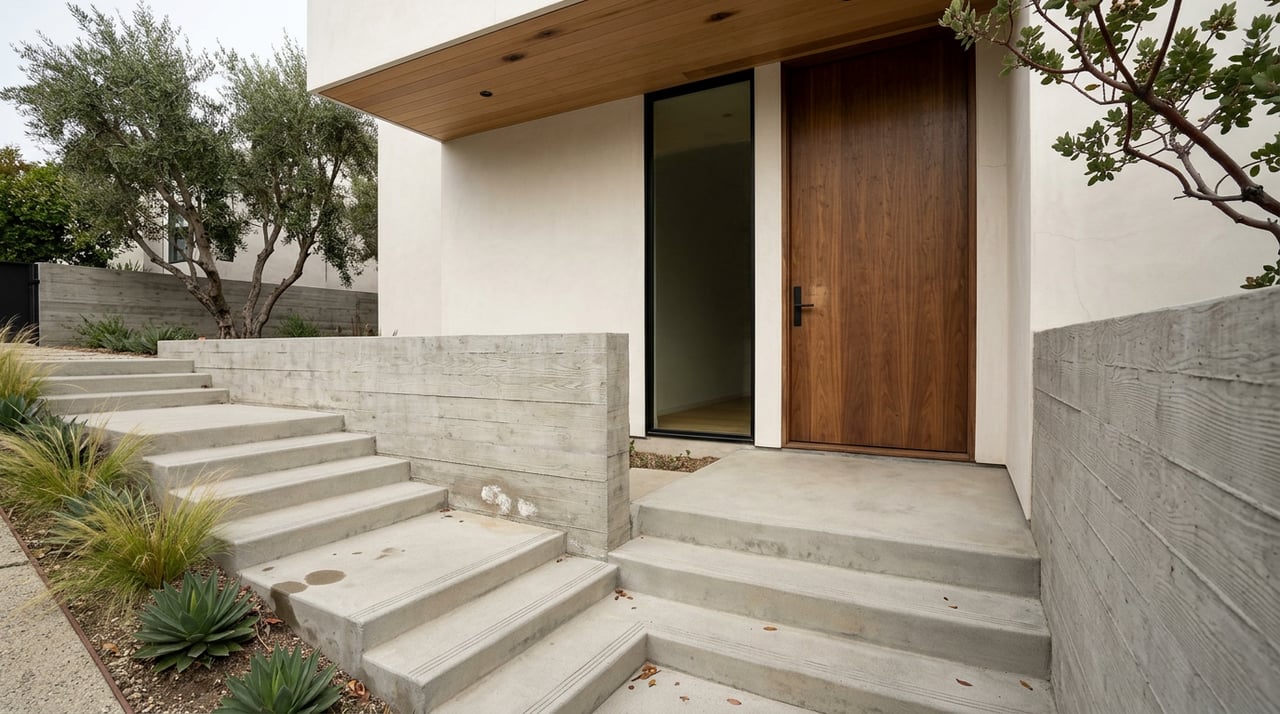
According to the South Glendale Community Plan, residential areas range from low-density hillside neighborhoods with single-family homes to higher-density multi-story apartments and condominiums around downtown. If you are searching in Glendale, you will likely notice that the housing stock can change a lot from one area to another.
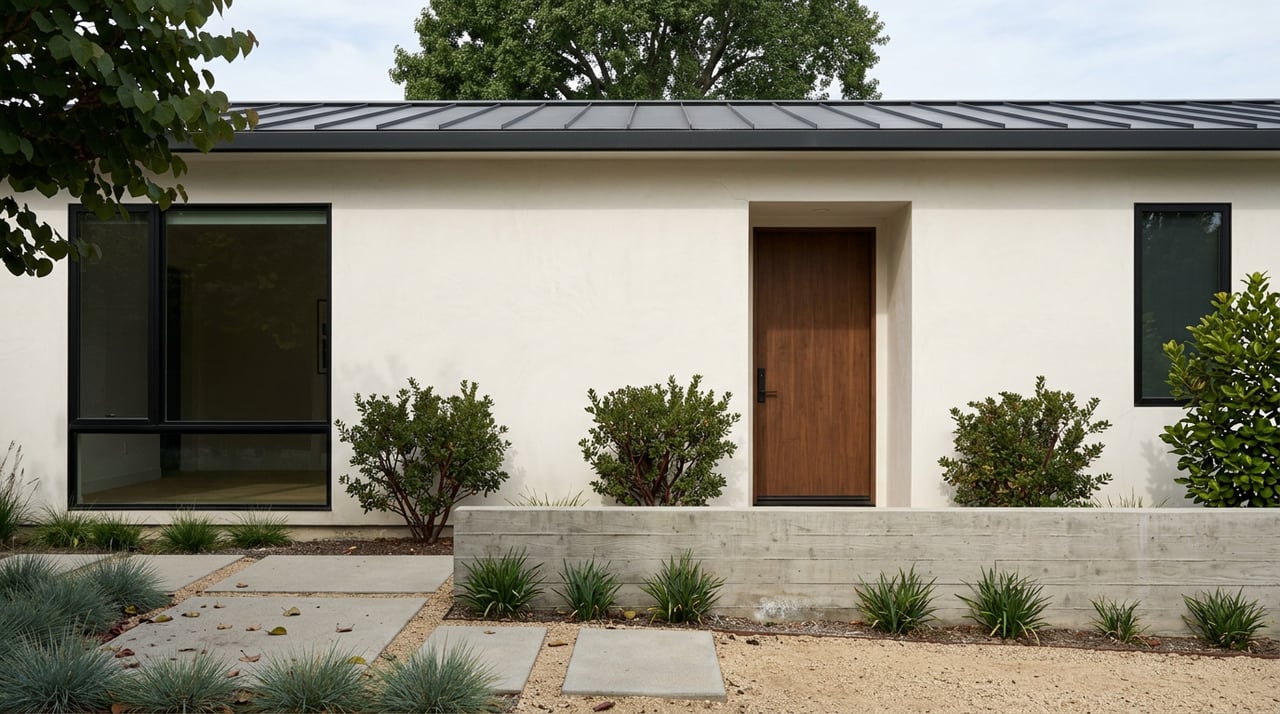
The city also has older residential pockets with architectural character. One example is North Cumberland Heights, a 179-home historic district with Period Revival, Minimal Traditional, and Ranch-style homes built from the 1920s through the 1950s. For buyers who care about charm, layout, or original details, that variety can be a meaningful part of Glendale’s appeal.
What housing costs look like
Glendale offers a lot of convenience, but housing costs are a real consideration. Based on the latest Census QuickFacts, the owner-occupied housing rate is 35.2%, which suggests a substantial renter population.
The same data shows a median owner-occupied home value of $1,102,300, a median monthly owner cost with a mortgage of $3,756, and a median gross rent of $2,182. For buyers, renters, and relocating households, that points to a market where access to amenities and location comes with relatively high housing costs.
That does not mean Glendale is out of reach for every move. It does mean that your budget, financing plan, timing, and property type matter a lot here. If you are exploring Glendale seriously, it helps to compare your lifestyle priorities with what different parts of the city can offer.
Getting around Glendale
Glendale works best for many residents because it combines freeway access with public transportation options. If you commute around Los Angeles or want flexibility for regional travel, that can be a major advantage.
The city sits near I-5, I-210, SR-2, and SR-134, according to the City of Glendale FAQ. That location helps explain why Glendale remains attractive to people who need to move between different parts of the region.
For rail and bus access, the Larry Zarian Transportation Center is Glendale’s main transit hub. The city says it serves Amtrak, Metrolink, Greyhound, Metro, and Glendale Beeline, with ten Pacific Surfliner trains daily and 54 Metrolink trains each weekday, plus Antelope Valley Line service on Saturdays.
On a more local level, Glendale Beeline operates 12 fixed routes in Glendale and nearby communities. The same source notes that Metro Micro also serves the Highland Park, Eagle Rock, and Glendale area for short on-demand trips. So while Glendale still functions partly around the car, you do have more options than in many nearby areas.
Parks and outdoor access
If you like having outdoor options close to home, Glendale stands out. For a city with its level of density, it offers a surprisingly strong park and trail network.
The city’s Recreation Element states that Glendale manages 37 parks, 286 developed park acres, 4 community centers, 6 sports facilities, and 4 historic buildings. It also owns and manages more than 5,000 acres of natural open space, along with more than 30 miles of fire roads and 7.5 miles of single-track trails.
One of the best-known local destinations is Brand Park. The 31-acre park includes hiking and biking trails, picnic areas, a playground, a seasonal wading pool, the Whispering Pine Tea House & Friendship Garden, Doctors House & Gazebo, and Brand Library & Art Center.
Another option is the Glendale Narrows Riverwalk, which runs along the Los Angeles River and includes trails, parks, public art, and an equestrian facility. If your ideal weekend includes getting outside without planning a full day trip, Glendale gives you several ways to do that.
Shopping, dining, and weekend routines
Many people are drawn to Glendale because daily life can feel convenient. You can handle errands, meet friends, grab a meal, or catch a movie without driving all over the county.
The city notes that downtown Glendale includes specialty stores, dining, movie theaters, and three live performance theaters, along with major destinations such as the Glendale Galleria and Montrose Shopping Park. City business listings also identify The Americana at Brand as a major local destination.
That mix shapes the rhythm of weekends for many residents. You might spend the morning outdoors, then head downtown for coffee, lunch, shopping, or a show. While that exact routine will vary from household to household, Glendale’s official amenity mix supports a lifestyle with a lot of variety inside the city itself.
Who Glendale may suit best
Glendale can be a strong fit if you want a location that blends residential living with easy access to shops, dining, and transportation. It may also appeal to you if having both urban convenience and nearby outdoor space is high on your list.
At the same time, the tradeoff is fairly clear. Housing costs are high, and even with transit options, much of daily movement still revolves around driving. For many buyers and renters, the decision comes down to whether Glendale’s convenience, housing variety, and recreation access match what matters most in your next move.
If you are weighing Glendale against other Los Angeles neighborhoods or nearby cities, having a clear plan can make the process much easier. Working through commute patterns, housing types, budget, and lifestyle goals early can help you narrow in on the right fit.
If you are considering a move to Glendale or another Los Angeles-area neighborhood, Victoria Ascarrunz offers thoughtful, hands-on guidance for buying, selling, leasing, and relocation support. When you want clear advice and a personalized strategy, having the right local partner can make all the difference.
FAQs
What is the overall lifestyle like in Glendale?
- Glendale offers a mix of residential neighborhoods, a busy downtown core, regional freeway access, and strong park and trail access for a city of its size.
What types of homes are common in Glendale?
- Glendale includes low-density hillside single-family areas, higher-density apartments and condos near downtown, and some older neighborhoods with homes dating from the 1920s through the 1950s.
What are housing costs like in Glendale?
- Based on recent Census data, Glendale has relatively high housing costs, including a median owner-occupied home value of $1,102,300 and a median gross rent of $2,182.
How do people get around in Glendale?
- Many residents use cars because Glendale has access to I-5, I-210, SR-2, and SR-134, but the city also has Metrolink, Amtrak, Metro, Greyhound, Glendale Beeline, and Metro Micro service.
Are there parks and trails in Glendale?
- Yes. Glendale manages 37 parks and more than 5,000 acres of natural open space, with notable outdoor destinations including Brand Park and the Glendale Narrows Riverwalk.
Is downtown Glendale walkable for errands and entertainment?
- City planning materials describe downtown Glendale as an 18-hour district where shopping, dining, living, entertainment, and cultural uses are within short walking distance of each other.