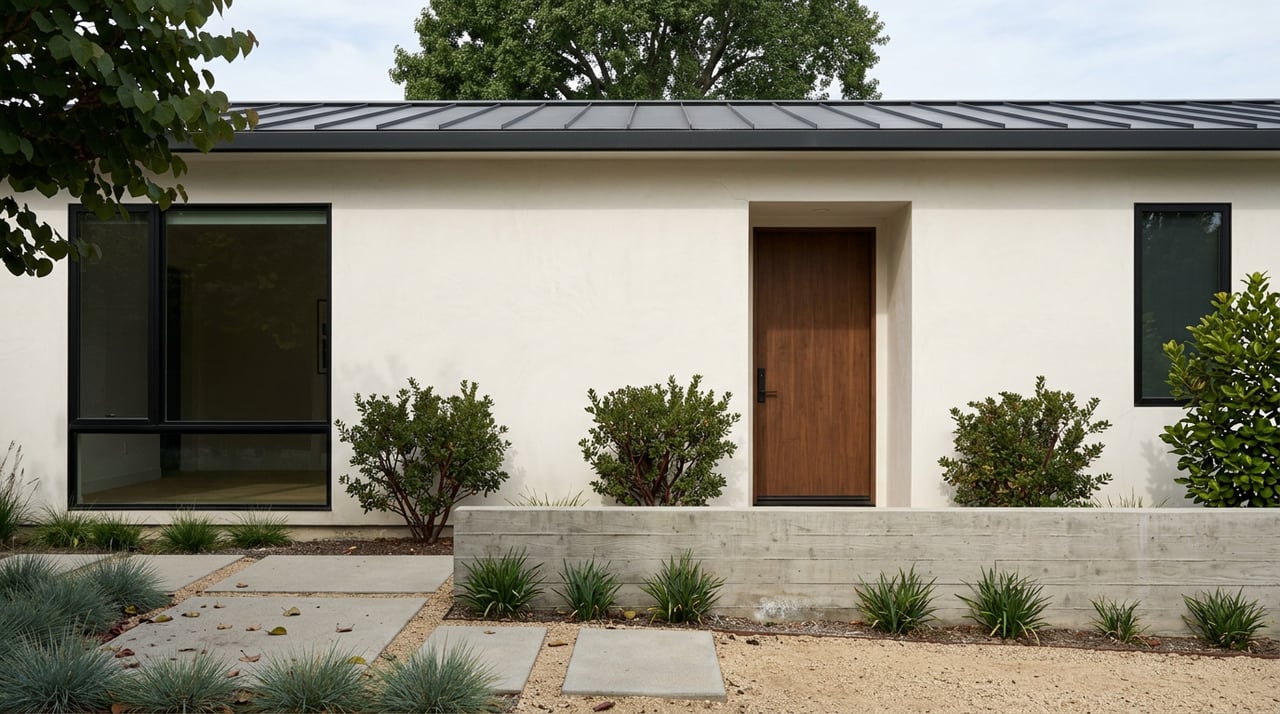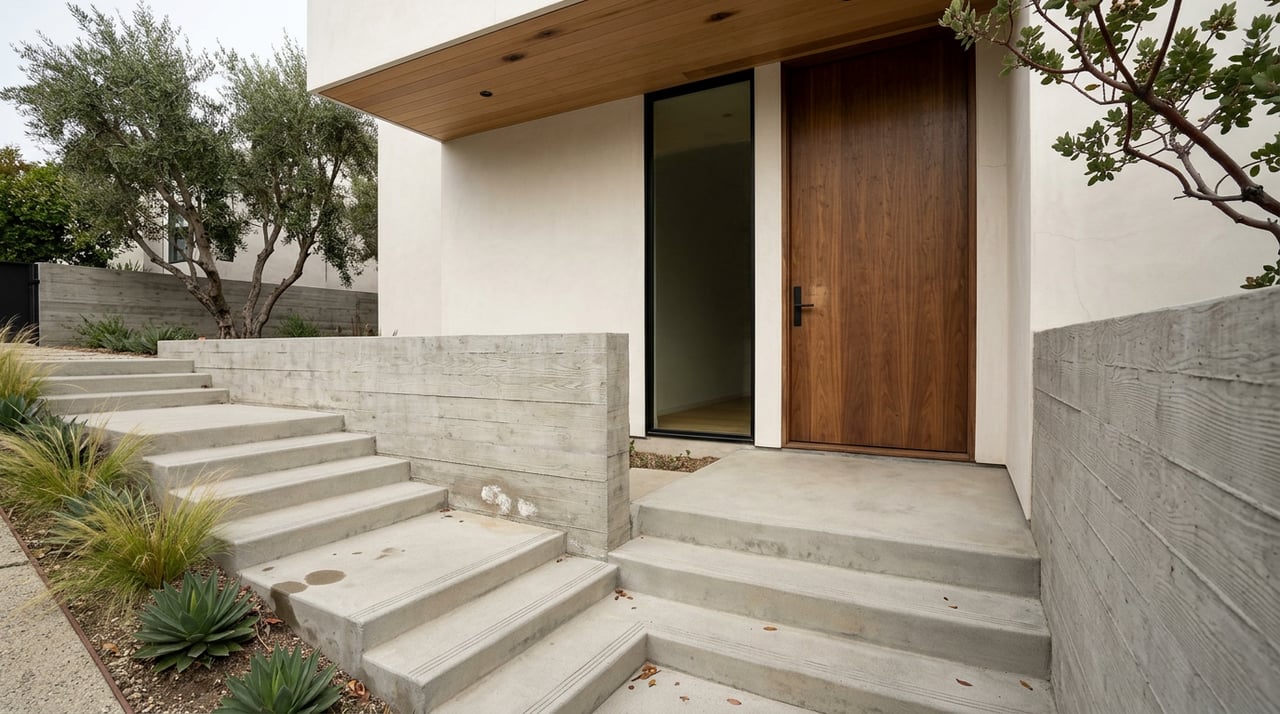
In most Pasadena sales, buyers price the porch. In a landmark district, they price the paperwork first and the porch second. That inversion is the entire reason two Craftsman bungalows on the same block, with similar square footage and comparable finishes, can trade six figures apart.
The thesis of this post is narrow and worth stating up front. In Pasadena's landmark districts, the compliance file, not the finish level, sets the ceiling. Sellers who understand that arrive at listing day with a clean binder and a defensible number. Sellers who don't tend to discover the gap during escrow, when it costs the most to fix.
Start With The Disclosure That Reframes The Sale
California's Transfer Disclosure Statement, governed by Civil Code § 1102, is not optional and not generic in a historic district. The standard TDS specifically requires sellers to disclose whether the property is historically designated or falls within an existing or proposed Historic District. That single checkbox reframes the buyer's due diligence from "what has been renovated" to "what has been approved."
Once that box is checked, a specific buyer pool self-selects into the tour. They will ask for the Certificate of Appropriateness history, the Mills Act contract if one exists, and the permit record for any visible exterior work done during your ownership and, ideally, before it.
The Mills Act Contract Is An Inherited Asset, Not A Perk
If your home has a Mills Act contract, the buyer inherits it at closing. The Mills Act contract is recorded against the property, which means it appears in title and transfers automatically; buyers need to understand what they are taking on before they close, not after. They also inherit the tax basis. That is the part that changes the offer.
Pasadena's own program history shows why the number matters. Historically, owners who did realize savings saw an average property tax reduction of 51 percent, but Pasadena is clear that results vary widely by property. For a buyer running the math at a $1.5M purchase, the difference between a full Prop 13 reassessment at sale and a Mills-based assessment can meaningfully shift monthly carrying cost. That value transfers with the contract, which is why a well-documented Mills Act home commands a tighter list-to-close spread than an equivalent bungalow without one.
Two caveats a seller should be able to answer without hesitation. For single-family homes, Pasadena generally limits eligibility to properties with a total assessed value of $2 million or less, though the city lists exceptions for certain categories such as Greene and Greene properties, historic monuments, and individually listed National Register properties. And the city notes that there is no guaranteed savings; the assessed value is reviewed annually and can change based on factors like rent, expenses, and interest rates. A buyer's agent who is paying attention will ask both. Have the recorded contract, the maintenance plan, and the most recent tax bill ready before the first showing.
The District You're In Sets The Buyer's Frame
Not every landmark district reads the same to buyers. The number of contributing properties, the age of the designation, and the concentration of eligible Mills Act candidates all shape how the file gets weighted.
| District | Designated | Approx. properties |
|---|---|---|
| Bungalow Heaven | Nov 1989 | ~1,139 total, 522 contributing |
| Historic Highlands | Jan 2008 | 479 |
| Washington Square | Local landmark district | ~250 (1910–1940) |
| Garfield Heights | Mar 1999 | Craftsman, Queen Anne, Colonial Revival mix |
Sources: Bungalow Heaven was designated as a city Landmark District in 1989, the first city Landmark District in Pasadena. The district includes 522 contributing and 164 non-contributing buildings. Bungalow Heaven is the largest, with 1,139 properties. Historic Highlands is currently second, with 479 properties. Designated as a local landmark district, Washington Square features roughly 250 homes built between 1910 and 1940.
The practical implication for a seller. Buyers shopping Bungalow Heaven often arrive already fluent in contributing versus non-contributing language and expect a Mills Act conversation. Buyers touring newer or smaller districts may need more education inside the listing description itself, which affects how the copy should be written before the photos ever go up.
Contributing vs. Non-Contributing Changes The Offer
This is the single distinction that most sellers underestimate. In landmark districts, buildings are typically categorized as contributing or non-contributing based on whether they still reflect the district's significance. The classification affects what a buyer can do post-close and, by extension, what they will pay.
A contributing property carries the strongest Mills Act path and the strictest review for street-visible changes. A non-contributing property in the same district sits in a more ambiguous zone. For non-contributing district properties, Pasadena also requires evidence showing that restoration would make the property contributing. Sellers of non-contributing homes sometimes assume that means less friction; buyers often read it as less upside on the tax program, which shows up in offer strength.
Confirm your classification with the City's Design & Historic Preservation Section before you price. This is the number that most changes the story the listing tells.
The Paper Trail That Actually Matters
The Certificate of Appropriateness is the document buyers ask about most and sellers plan for least. A Certificate of Appropriateness is an approval, in writing, that confirms a proposed alteration complies with the Secretary of the Interior's Standards and the applicable design guidelines for historic districts. This certificate is required before a building permit can be issued for covered work.
Two operational realities to plan around:
- Timeline. Certificate of Appropriateness processing may take about two months. If a pre-listing repair touches a street-visible element, that timeline sits ahead of your sign-in-yard date, not after.
- Scope. Generally, interior alterations are exempt from historic review, and Pasadena also says paint colors, landscaping, and some work not visible from the street are typically exempt. That is the good news. The exposure is anything visible from the public right-of-way.
The regulatory framework for all of this sits in Pasadena Municipal Code Chapter 17.62. Sellers do not need to read it. Their listing agent does.
Unpermitted Exterior Work Is A Different Category Of Risk
In a standard Pasadena sale, unpermitted work is a disclosure item that gets negotiated. In a landmark district, it is a different animal. Any exterior work completed without the proper approvals, whether by you or a prior owner, is a material fact that needs to be disclosed. Buyers and their agents will ask, and in a historic district, unpermitted exterior work is a much bigger issue than it would be on a standard property.
The remedy is not always retroactive approval. Depending on the nature of the work, the City may require it to be reversed or brought into compliance. Discovering that in escrow instead of before listing is the single most expensive mistake a landmark-district seller can make. If a previous owner replaced original wood windows with vinyl at some point in the 1990s, that fact is worth surfacing during your pre-listing prep, not during the buyer's inspection.
SB 9 Does Not Apply Here, And That Cuts Both Ways
California's SB 9 pathway for ministerial lot splits and duplex conversions has reshaped pricing on a lot of small single-family parcels across Los Angeles. It does not reshape yours. Parcels in historic districts or designated as landmarks are generally exempt from SB 9's ministerial lot split and two-unit approvals. Confirm status and options with Pasadena Planning.
For sellers, that exemption is a mixed signal. It removes one class of speculative buyer, the investor calculating a lot-split premium. It also protects the streetscape those buyers would otherwise disrupt, which is exactly what draws the preservation-minded buyer pool that pays for cohesion. Price to the buyer who is coming, not the buyer who is excluded.
What The Q1 2026 Market Actually Says
Pasadena is a specific place in a specific moment. In Q1 2026, the median single-family home price in Pasadena was $1,550,000, with monthly medians running $1,440,000 to $1,700,000. Median price per square foot was $874. Underneath that median, momentum has been building. Median days-to-sell tightened from 52 days in January to 24 days in March, while sales velocity climbed from 38 SFR transactions to 55.
Two portals put citywide values slightly lower. The average Pasadena, CA home value is $1,213,522, down 0.4% over the past year, and homes go to pending in around 19 days (updated 6/30/2026). The gap between the Q1 SFR median and the ZHVI is the condo and townhome market pulling the average down, which is why single-family sellers in landmark districts should not anchor to the citywide number.
Here is where the thesis pays off. In a market where well-priced homes are moving in under a month, the friction that slows a landmark-district sale is almost never the price. It is a missing COA on a rear addition, a Mills Act contract with a lapsed maintenance report, or an unpermitted window swap from a prior decade. Fix the file, and you list into the same 24-day rhythm as everyone else.
The compliance history is not a caveat to the listing. On a Craftsman in Bungalow Heaven, it is part of what the buyer is buying.
A Pre-Listing Sequence That Actually Works
- Confirm designation status in writing. Contributing, non-contributing, or non-designated within a district. Request the classification from the City's Design & Historic Preservation Section.
- Pull your permit history and any prior COAs. Match them against every visible exterior element. Flag gaps early.
- If a Mills Act contract exists, gather it. The recorded contract, the maintenance work plan, and annual compliance documentation. A complete record of annual compliance documentation is what buyers need to confirm the contract is in good standing. If there are any gaps in that record, it is worth addressing them before you list.
- Decide on pre-listing remediation. If a rear addition never received a COA, weigh the two-month review timeline against the closing timeline you want.
- Write the listing copy to the buyer who is actually shopping. Named district, contributing status, Mills Act status, and original details preserved. This is not marketing garnish; it is how the right buyer finds the home.
FAQ
Does a Mills Act contract require the buyer to reapply after closing? No. The contract transfers automatically at closing. You don't need to reapply or notify the City. The buyer inherits the tax basis and the maintenance obligations as recorded.
Do interior renovations require Certificate of Appropriateness review? Generally not. Interior work is typically exempt, along with paint color, landscaping, and work not visible from a public street or alley. Anything visible from the public right-of-way is the exposure area.
Is Mills Act always the better tax position for a long-time owner considering a sale? Not always. This is especially important for long-time owners. If you have held a property for years and already benefit from a relatively low Proposition 13 base-year assessment, the Mills Act may provide little benefit, or in some cases a higher Mills-based assessed value than your current one. The value shows up primarily for the incoming buyer, which is where a seller's agent should focus the marketing math.
Selling a landmark-district home in Pasadena rewards preparation more than polish. The buyers who pay well for Craftsman, Period Revival, and early-modern homes in Bungalow Heaven, Historic Highlands, Washington Square, and Garfield Heights are paying for a coherent file as much as a coherent facade. Give them both.
If you own a home in a Pasadena landmark district and want a candid read on your compliance file, your Mills Act position, and how the current market prices your specific block, AVRE Group offers a private pre-listing consultation. Work With Us.